Image

Recently, the School of Foundation (SoF) at Asia Pacific University of Technology & Innovation (APU) organised a public speaking workshop titled “Speak with Confidence, Connect with Impact (Speak Up & Stand Out),” designed to help students overcome their fears, build confidence, and discover their unique voices as speakers.

The workshop introduced students to practical techniques for managing speaking anxiety, communicating with greater confidence, and developing an authentic speaking style, while reinforcing the idea that effective speakers can be developed through practice, the right tools, and the right mindset.
Building the Foundations of Effective Presentations
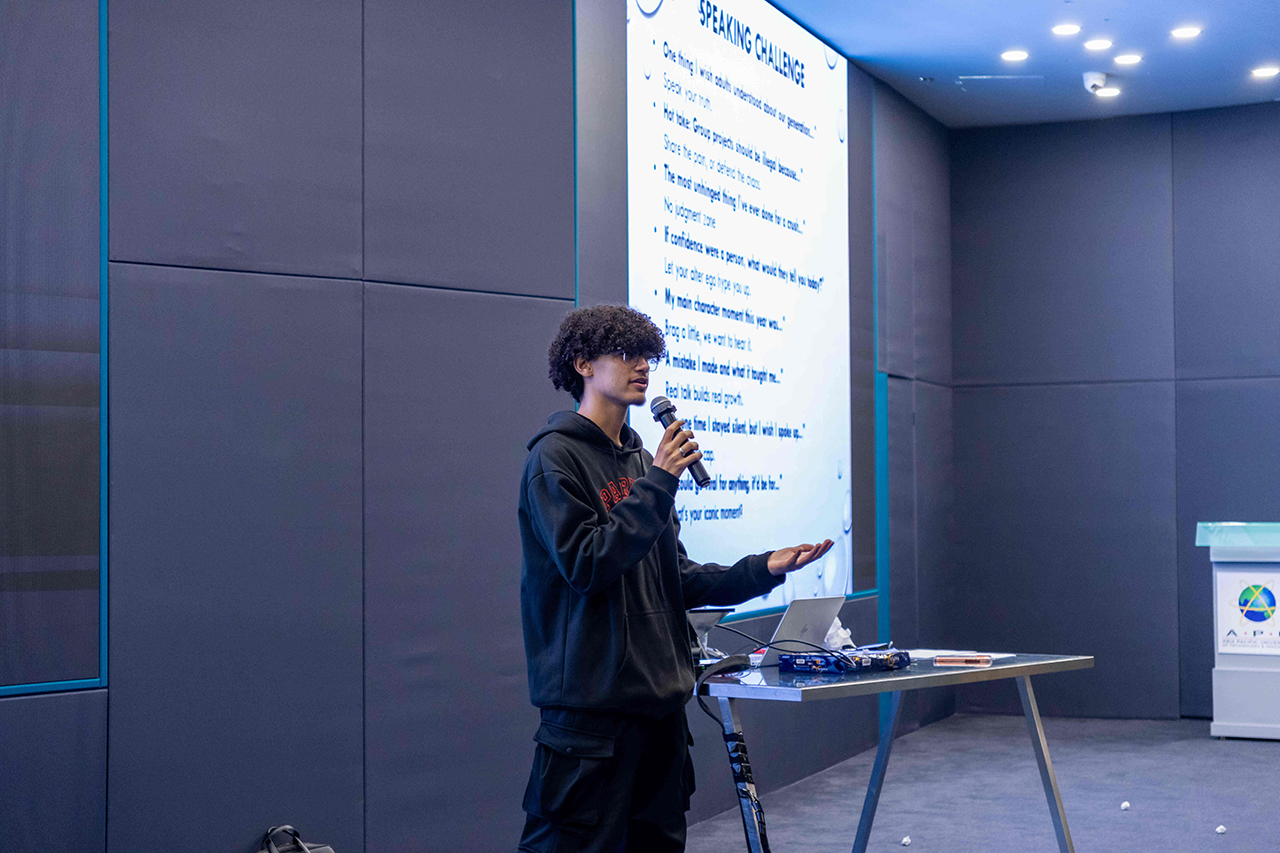
Students were then challenged to come forward and speak on given topics with limited preparation time.
They were guided to structure their responses around a clear introduction, body, and conclusion, while considering how they could engage their audience.
Through these speaking challenges, students explored key elements of effective communication; including storytelling, pacing, authenticity, enthusiasm, and audience engagement.
Taking the First Step towards speaking with Confidence
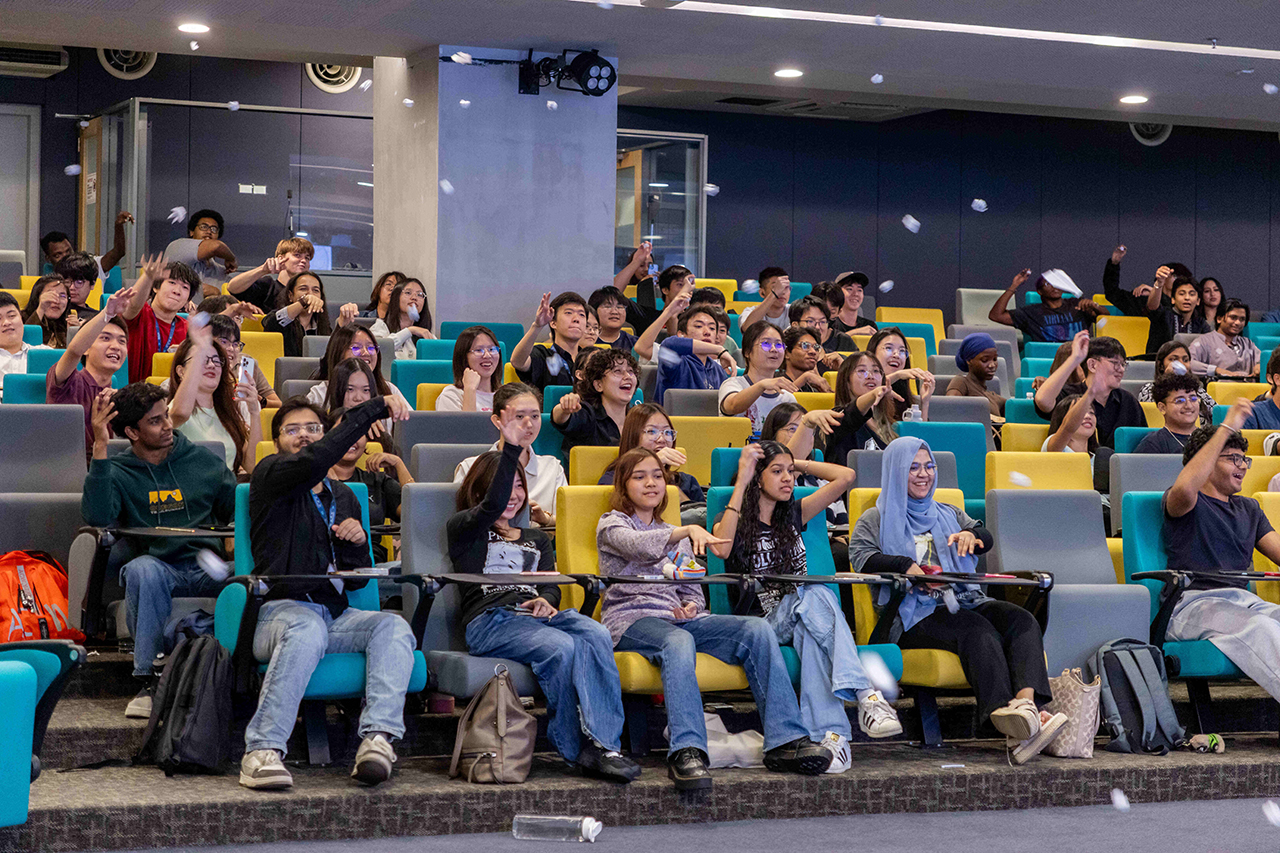
Students were invited to write down their individual fears on pieces of paper before physically squashing and throwing them away.
The activity symbolised letting go of self-doubt, and creating space to approach public speaking with greater openness and confidence.
Through this simple yet engaging exercise, students were encouraged to recognise that overcoming fear begins with taking action.
The activity also reinforced the idea that confidence can be developed through practice, persistence, and a willingness to step outside one’s comfort zone.
Building Confidence through Presence and Practice

The activity reinforced the relationship between physical presence and confidence, while giving students an opportunity to experiment with different ways of presenting themselves in front of others.
Through this activity, students were reminded that being heard is not about being the loudest in the room, but, about speaking authentically, having the courage to try, and connecting with an audience.
Finding the Power in Your Voice
Overall, the workshop provided students with an opportunity to step outside their comfort zones, practise speaking in front of others, and reflect on the qualities that can make communication more effective.
Through practical speaking exercises, interactive activities, and opportunities for self-reflection, students developed greater awareness of how confidence, authenticity, body language, and audience engagement can shape the way they communicate.
News & Happening
Download e-Brochures
Intake Calendar
Want to know more ?
Let’s Connect