Malaysia’s first NVIDIA DGX Spark™-powered AI lab puts advanced computing into students’ hands, shifting learning from AI use to creation.
Image
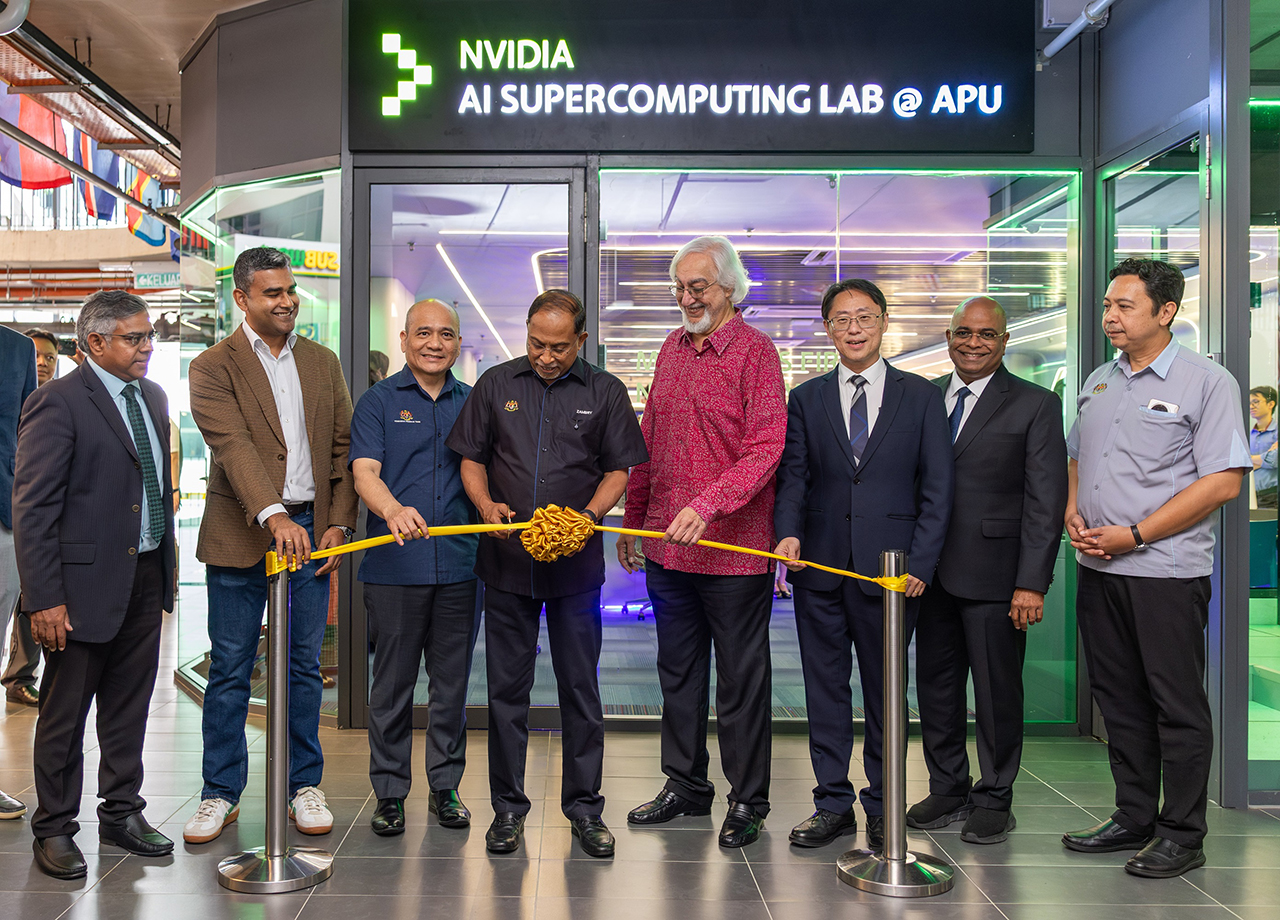
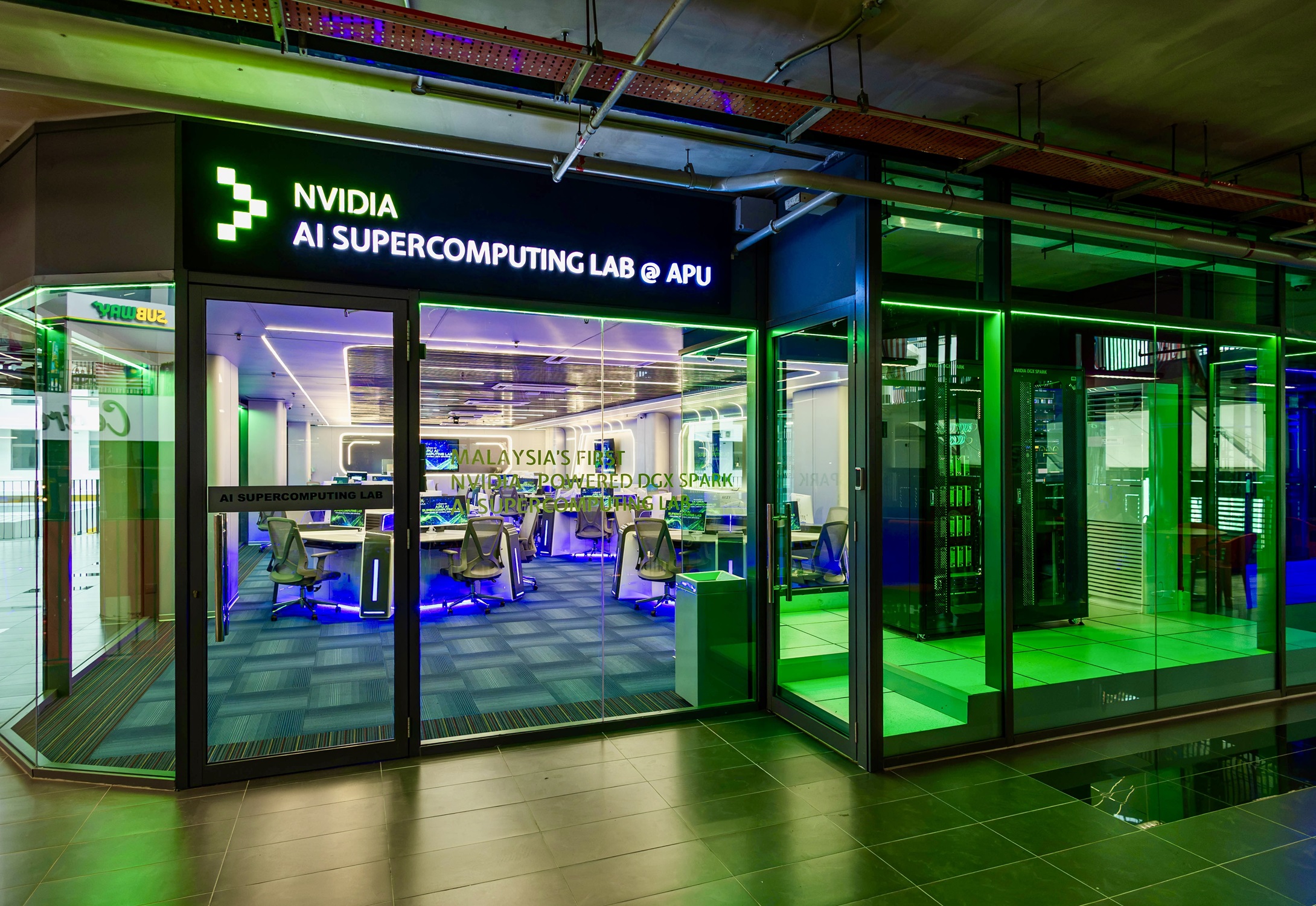
KUALA LUMPUR, 4 September 2026 – Asia Pacific University of Technology & Innovation (APU) marked a major milestone in technology education with the launch of Malaysia’s first AI Supercomputing Lab powered by NVIDIA DGX Spark™ at its Technology Park Malaysia campus in Bukit Jalil.
The launch was officiated by The Honourable Dato’ Seri Diraja Dr Zambry bin Abdul Kadir, Minister of Higher Education, who was welcomed by Datuk Parmjit Singh, Co-Founder and Chief Executive Officer of APU.
Located on Level 4 of APU’s SPINE building, the AI Supercomputing Lab for Education & Innovation gives students, academics and researchers hands-on access to advanced computing infrastructure for developing and experimenting with large language models, generative AI, machine learning, data science, intelligent engineering and emerging agentic AI applications.
A Milestone for AI Education
Accompanied by Datuk Parmjit, the Minister cut the ribbon to officiate the launch. Joining the ceremony were Mr Ahmad Rizal bin Adnan, Deputy Secretary General (Policy), Ministry of Higher Education; Dr Deb Goswami, Head of Developer Ecosystem, APAC, NVIDIA; Prof Ir EUR ING Dr Vinesh Thiruchelvam, Chief Innovation, Enterprise & Sustainability Officer, APU; Prof Dr Ho Chin Kuan, Vice-Chancellor of APU; and Prof Dr Pradeep Nair, Chief Operating Officer of APU.
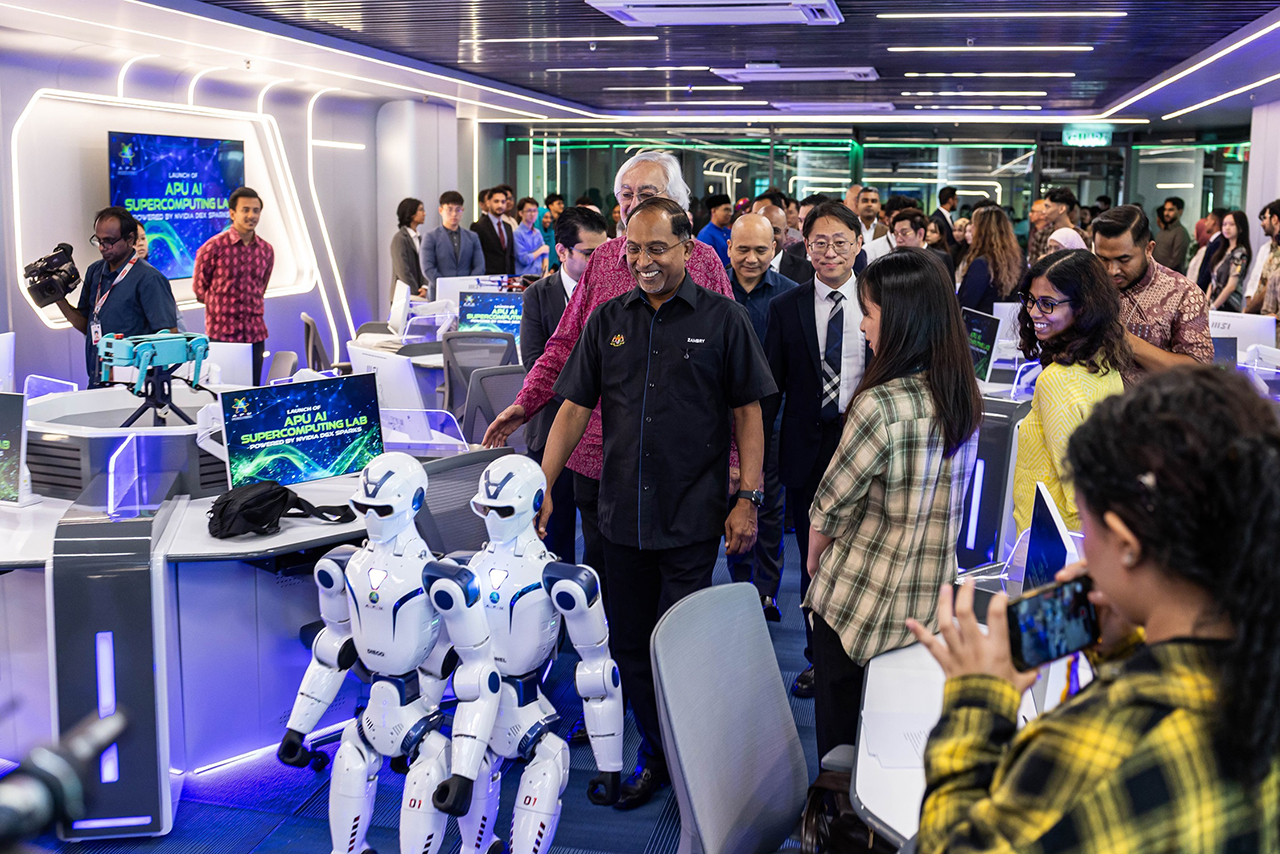
The Minister later toured the Lab before addressing guests and members of the media.
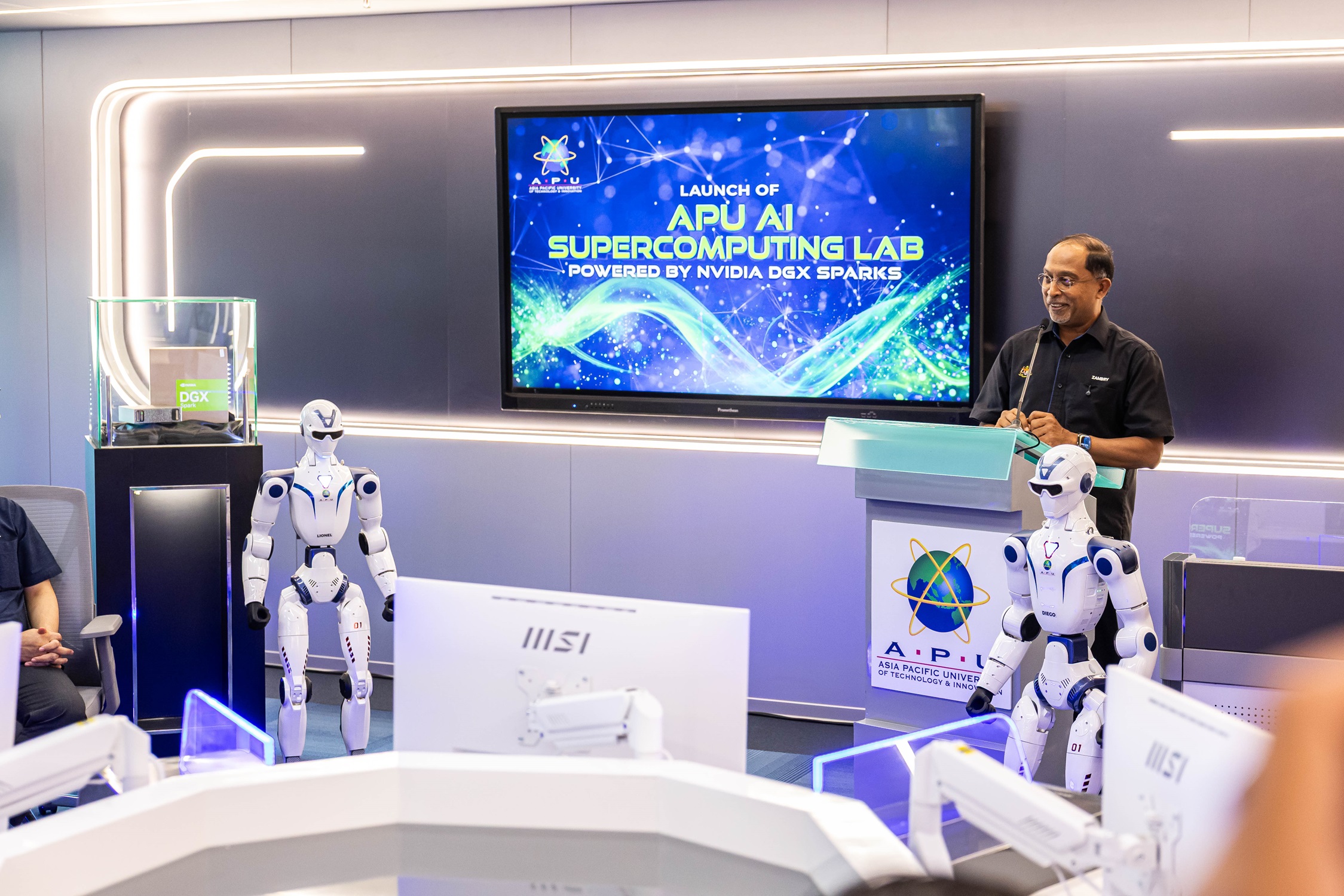
Speaking at the press conference, Dato’ Seri Dr Zambry said higher education institutions must integrate artificial intelligence across all fields of study, including the humanities, to ensure curricula remain relevant amid rapid technological advancement.
“I was very intrigued by the ability to integrate this technology into humanities studies. During the earlier briefing, including on the International Relations course, I saw how technology is being used as part of the teaching approach,” said Dato’ Seri Dr Zambry.
“AI is no longer just a tool; it has become part of the entire learning process. That is why we use the term ‘embed’ — meaning that AI should be integrated across learning methods, curricula and other aspects of education,” he added.
From AI Users to AI Developers
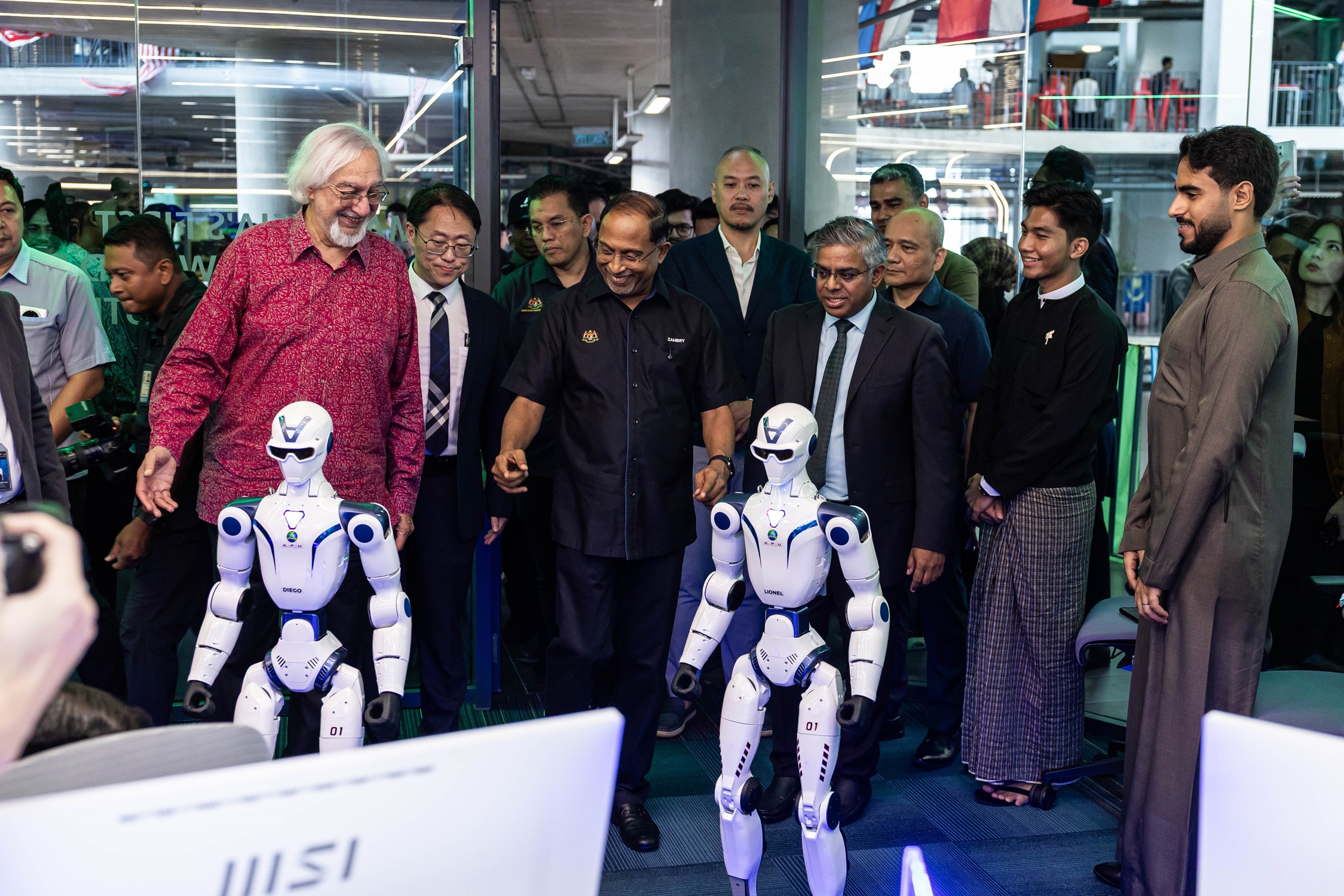
Equipped with 20 NVIDIA DGX Spark™ machines, the Lab is designed to fundamentally change how students learn AI.
In simple terms, DGX Spark is a compact AI supercomputer that enables sophisticated AI models to be developed, fine-tuned and run locally. Students can therefore work directly with advanced AI computing rather than limiting their experience to ready-made applications or remote cloud services.
Each DGX Spark supports demanding workloads such as deep learning, generative AI and data analysis. Its architecture enables students and researchers to work locally with AI models of up to 200 billion parameters, supporting the development, testing and fine-tuning of sophisticated applications within the university environment.
The shift is significant: from AI user to AI developer.
Rather than simply prompting existing applications, students can participate across the development process — loading and adapting models, preparing datasets, fine-tuning systems for specialised tasks, examining how computing resources affect performance, and learning to build and deploy AI responsibly.
Learning Across Disciplines
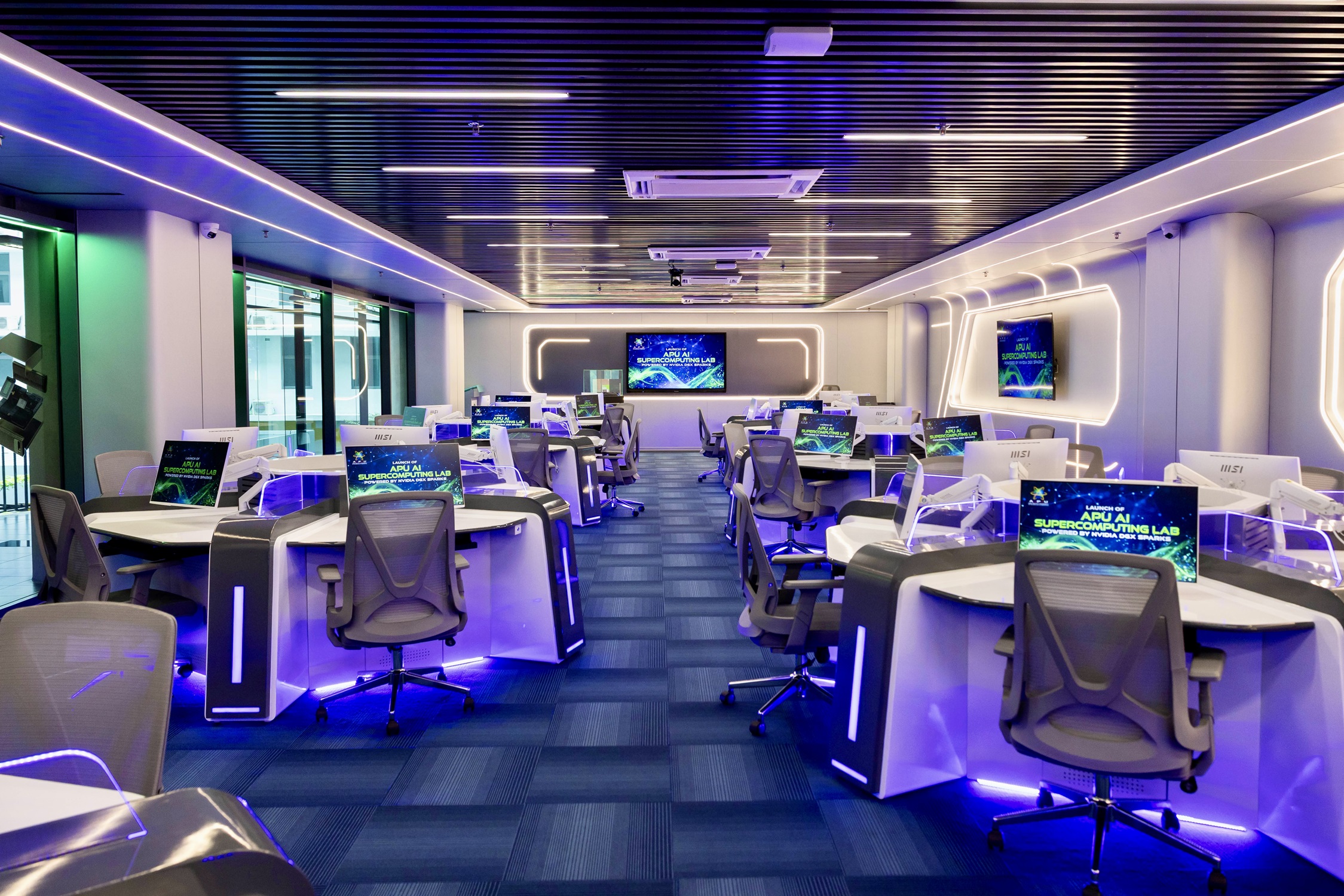
The Lab will support teaching and research across Computer Science, Artificial Intelligence, Quantum Computing, Data Science and Business Analytics, Software Engineering, Computer Engineering and Mechatronic Engineering.
Students can explore machine learning, large language models, computer vision, intelligent automation, robotics, AI-assisted analytics and agentic AI systems capable of reasoning through tasks and carrying out sequences of actions.
The infrastructure also provides a platform for future exploration of GPU-accelerated quantum simulation and hybrid quantum-classical computing, opening pathways into emerging computational technologies.
Software engineering students, for example, may develop intelligent applications and AI agents; data science students can investigate large-scale analytics and model performance; while engineering students can connect AI perception and decision-making with robotics and autonomous technologies.
The Lab can further support final-year projects, postgraduate research, interdisciplinary collaboration and industry-linked experimentation, helping students turn classroom ideas into prototypes and applied solutions.
Building Malaysia’s AI Talent
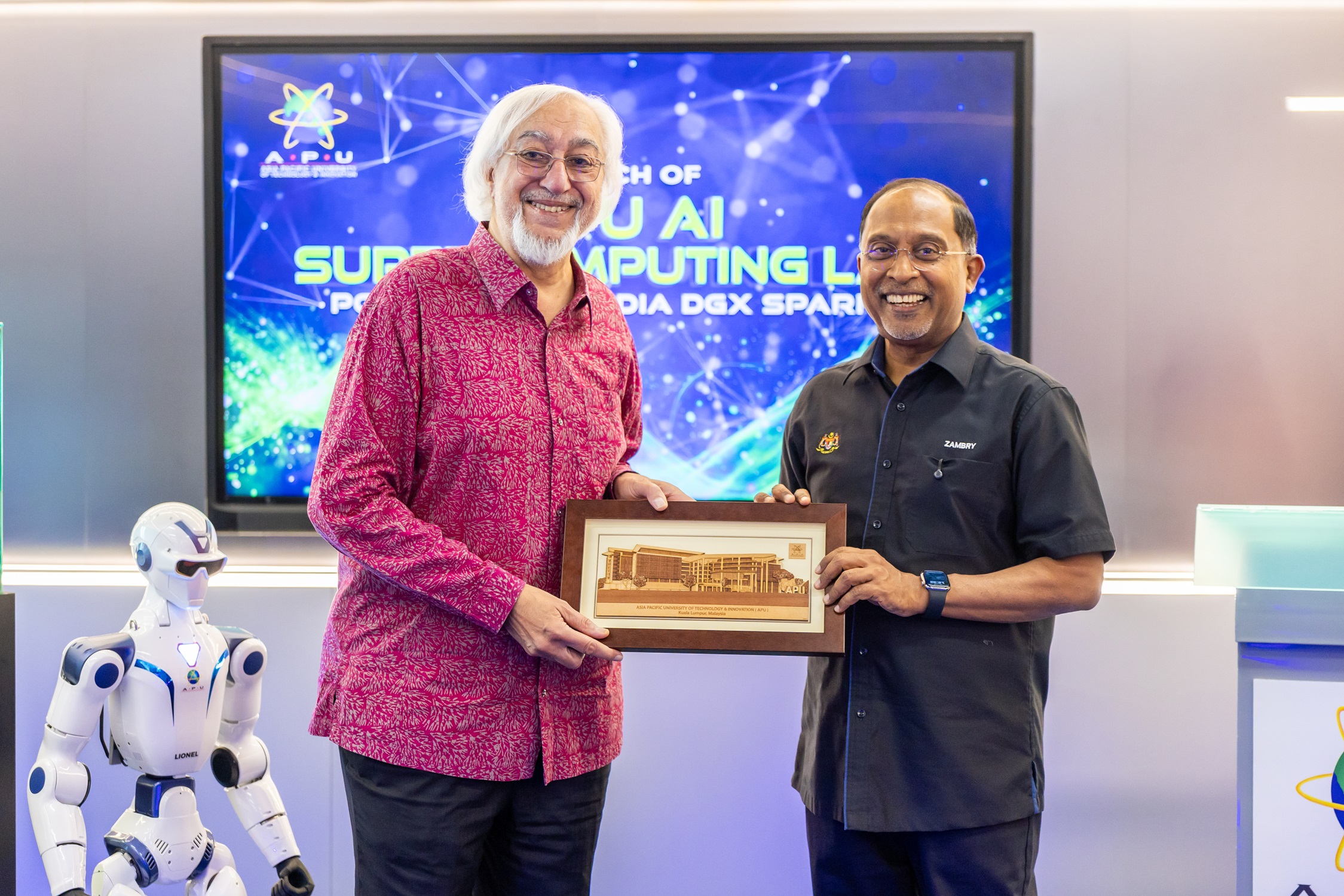
Datuk Parmjit said the Lab aligns with the national call for Malaysia to move beyond being a consumer of AI and build its own capabilities to compete in the global digital economy.
“AI literacy today must go beyond knowing how to use readily available computational tools. By putting AI supercomputing power directly into the hands of our students, we are focused on four key goals: widening access, building Malaysian AI talent, strengthening sovereign AI capability, and enabling our students to move from simply using AI to creators of AI with purpose,” he said.
“This level of computing power gives students the ability to experiment with larger AI models, tackle more complex problems and turn ideas into working solutions. It is about giving them the capability, confidence and computing power to develop the advanced skills that will define the jobs of the future — and to graduate ready to build, innovate and lead in an increasingly AI-enabled world.”
The deployment of DGX Spark clusters in higher education is gaining momentum globally, with leading universities using the technology for AI research, experimentation and hands-on learning across areas ranging from robotics and healthcare to scientific computing and advanced AI development.
By bringing NVIDIA DGX Spark™ directly into Malaysia’s higher education learning environment, APU is giving students, academics and researchers access to advanced AI infrastructure that can help them move beyond using AI towards building, testing and shaping what comes next.
News & Happening
Download e-Brochures
Intake Calendar
Want to know more ?
Let’s Connect