APU School of Computing students gained hands-on exposure to vibe coding and Generative AI, learning how emerging tools can support the journey from an initial idea to a working application prototype while strengthening their understanding of real-world development practices.
Image
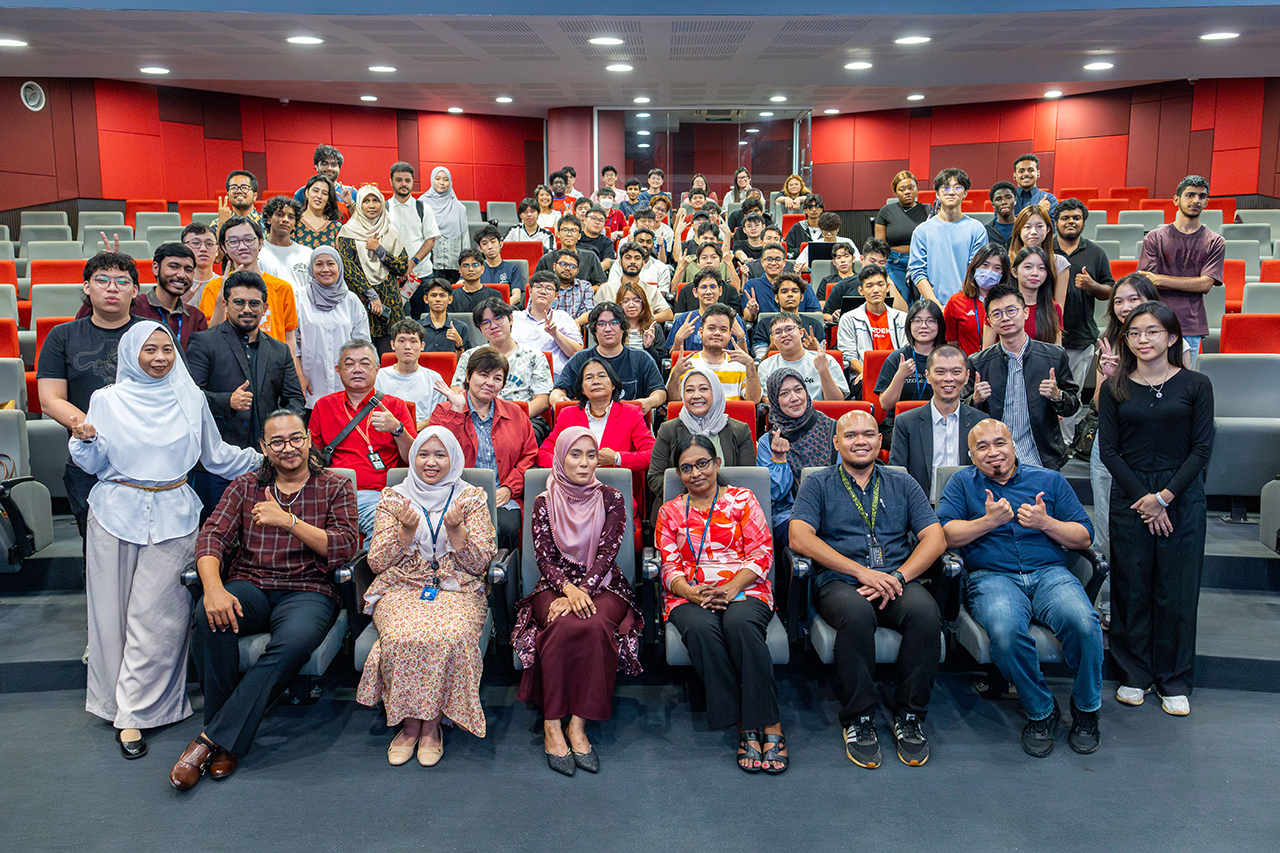
Students from Asia Pacific University of Technology & Innovation (APU) recently transformed their own ideas into working application prototypes through a practical workshop on vibe coding and the use of Generative AI in application development.
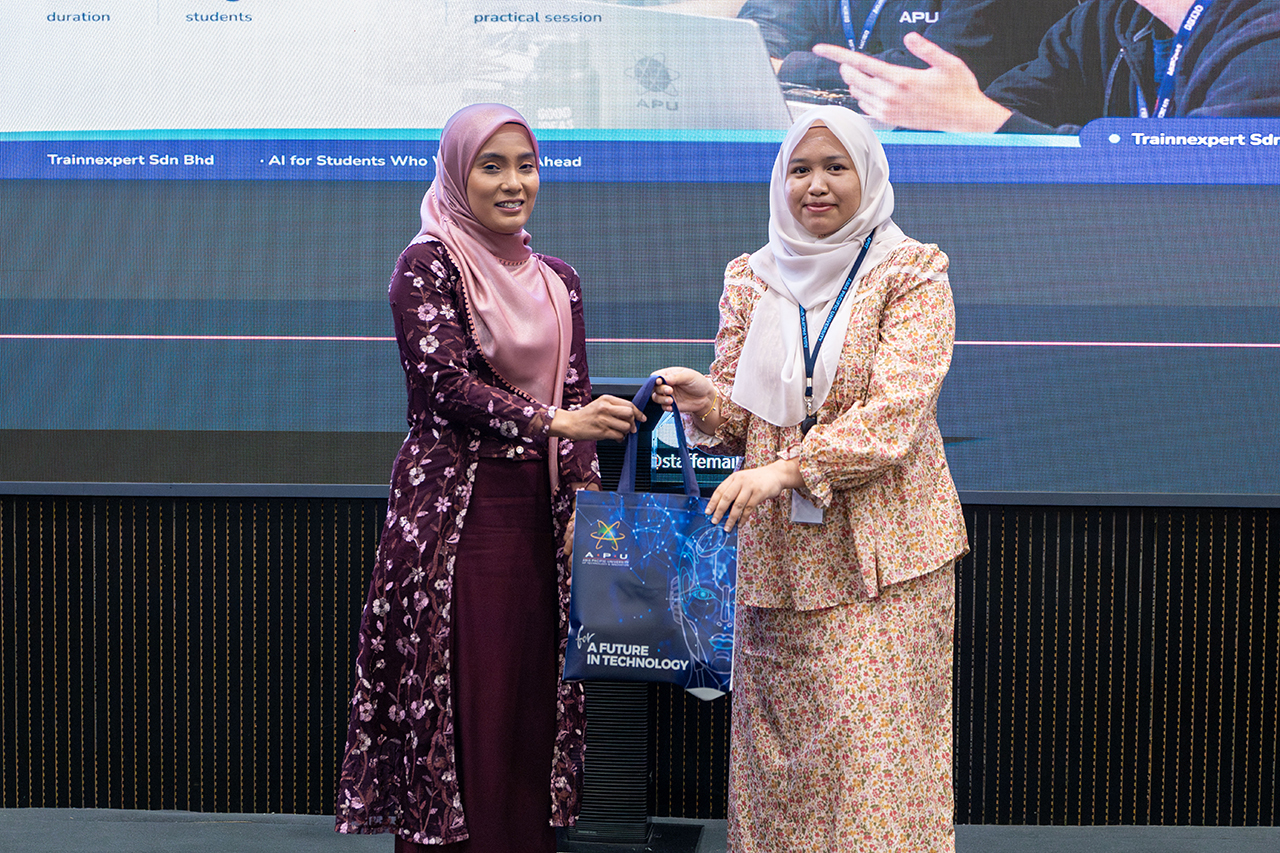
Organised by APU’s School of Computing (SoC), the workshop, titled “AI for Students Who Want to Get Ahead”, gave students from the Degree in Software Engineering and Degree in Cybersecurity programmes a guided, step-by-step experience of building digital solutions with AI.
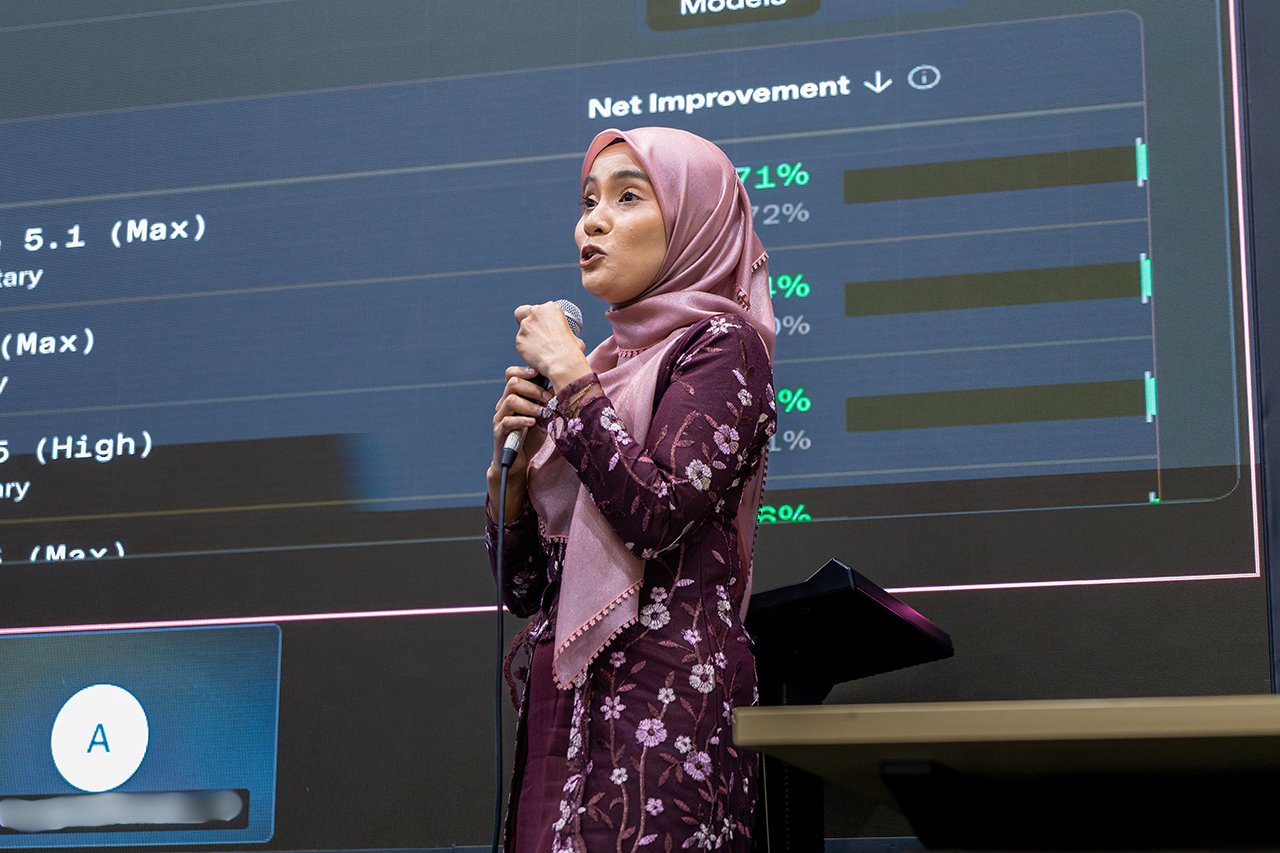
Held on 18 September 2026 at Auditorium 4, APU, the session featured Ms Allyssya Rizal, an HRD Corp Accredited Trainer at Trainnexpert. The workshop was supervised and coordinated by SoC Lecturers Ms Aida Raihanah Mohd Marzuki and Ms Vasugi Jayamangalam.
Seeing how AI is used beyond the classroom
Drawing on her experience delivering Agentic AI training programmes to corporate participants, Ms Allyssya began by introducing students to the current landscape of AI models before moving into vibe coding.
The emerging approach uses natural language instructions together with Generative AI tools to help users develop digital solutions more rapidly. To put the concept into context, she shared examples of vibe coding projects delivered for clients, giving students a clearer picture of how the approach is already being applied in real-world projects.
She then demonstrated how AI can support different stages of application development, from generating ideas and designing interfaces to prototyping, coding, testing and refinement.
Rather than simply watching demonstrations, students followed the process on their own devices as Ms Allyssya guided them through a complete workflow using ChatGPT, Google Stitch and Google AI Studio.
ChatGPT supported ideation, prompt writing, coding and problem-solving, while Google Stitch enabled students to generate and visualise user interface designs. Google AI Studio introduced them to ways in which Generative AI capabilities can be incorporated into intelligent applications.
By working through each stage together, students were able to see how different AI tools can be combined within a single development workflow and, more importantly, learn through direct experimentation.
Support that encouraged experimentation
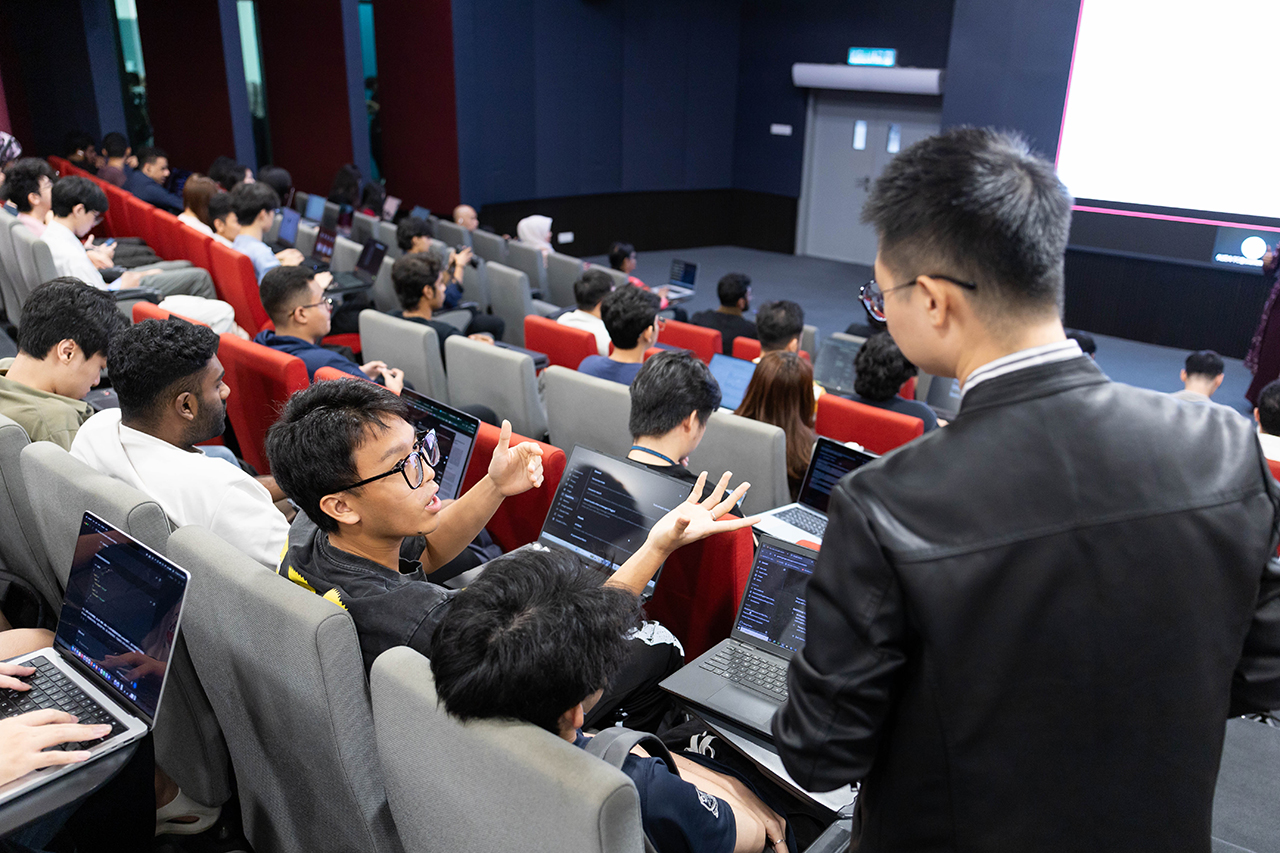
Ms Allyssya was joined by 17 trainers from Trainnexpert, who worked closely with students throughout the exercises. Their presence allowed participants to ask questions, troubleshoot technical issues and continue progressing whenever they encountered difficulties.
With support readily available, students had greater freedom to experiment with the tools and explore different possibilities.
At the same time, the workshop reinforced an important principle: AI-generated outputs should not be accepted uncritically. Students were reminded to apply their own judgement, computing fundamentals and critical thinking when reviewing, testing and refining what the tools produced.
Students discover new possibilities
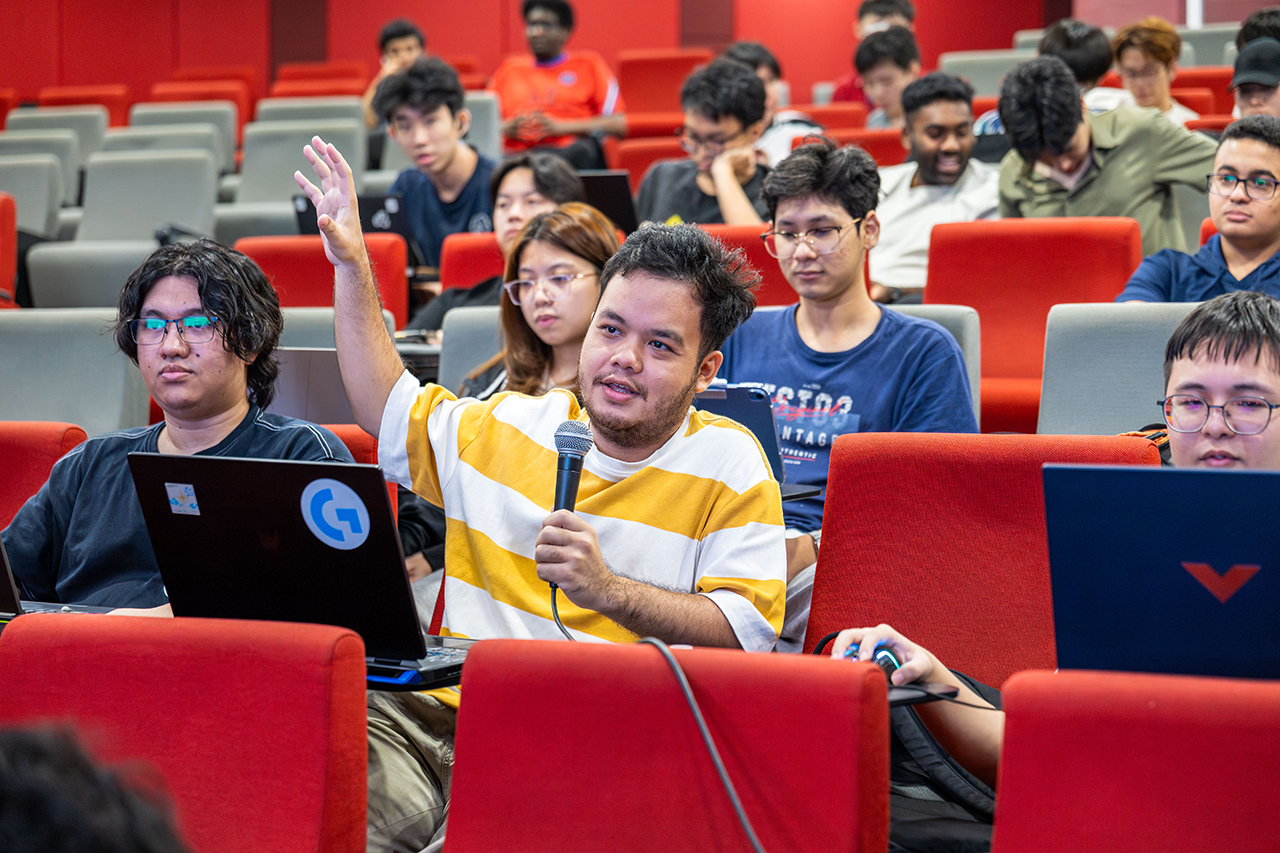
For Tun Oo Hlaing, a Bachelor of Science (Honours) in Computer Science (Cyber Security) student, the workshop opened up a new perspective on application development.
“The vibe coding event was great. As a cybersecurity student, seeing how easily we can integrate AI chatbots and build websites with free tools was really awesome and an eye-opener for development,” he shared.
“It definitely gave me useful hands-on exposure to how AI workflows are put together. Thanks a lot for organising it. Waiting for another session,” he added.
Fellow Cyber Security student Maximilian Richie Untarman also described the session as both enjoyable and useful.
“The sharing session was such a fun and valuable experience. I gained a lot of new knowledge about the use of AI from the session. Thank you for the amazing opportunity,” he said.
Sam Jun Hong, also a Cyber Security student, shared that the workshop helped him discover capabilities of AI tools that he had previously been unaware of.
“During this session, I learned a great deal from the presenter. Her engaging approach made the session both enjoyable and interesting. We were also introduced to other AI tools that can support our learning and help us prepare for the challenges we may face when entering the industry,” he said.
Aung Zay Htet, from the same study programme, was particularly impressed by seeing AI generate functional code in real time.
“It gave me a completely new perspective on how software and websites could be developed in the future. I really enjoyed how inspiring and interactive the session was,” he shared.
Many participants similarly highlighted the value of following the development process step by step and experimenting directly with the tools. Several also expressed enthusiasm for more industry-led practical sessions that would allow them to further explore emerging technologies and their real-world applications.
Connecting academic learning with industry practice
For the School of Computing, such engagement forms part of a broader effort to expose students to emerging technologies while helping them understand how these developments are being applied beyond the university environment.
Assoc Prof Ts Dr Tan Chin Ike, Head of the School of Computing, said:
“Students benefit most when new technologies move from discussion into practice. Industry engagement gives them the space to experiment, question and apply what they learn, while building the judgement needed to use emerging tools responsibly and effectively.”
News & Happening
Download e-Brochures
Intake Calendar
Want to know more ?
Let’s Connect