From safeguarding children's critical thinking to strengthening social cohesion, APU's cyberpsychology experts contribute valuable insights to a national dialogue on building a responsible, human-centred AI future.
Image
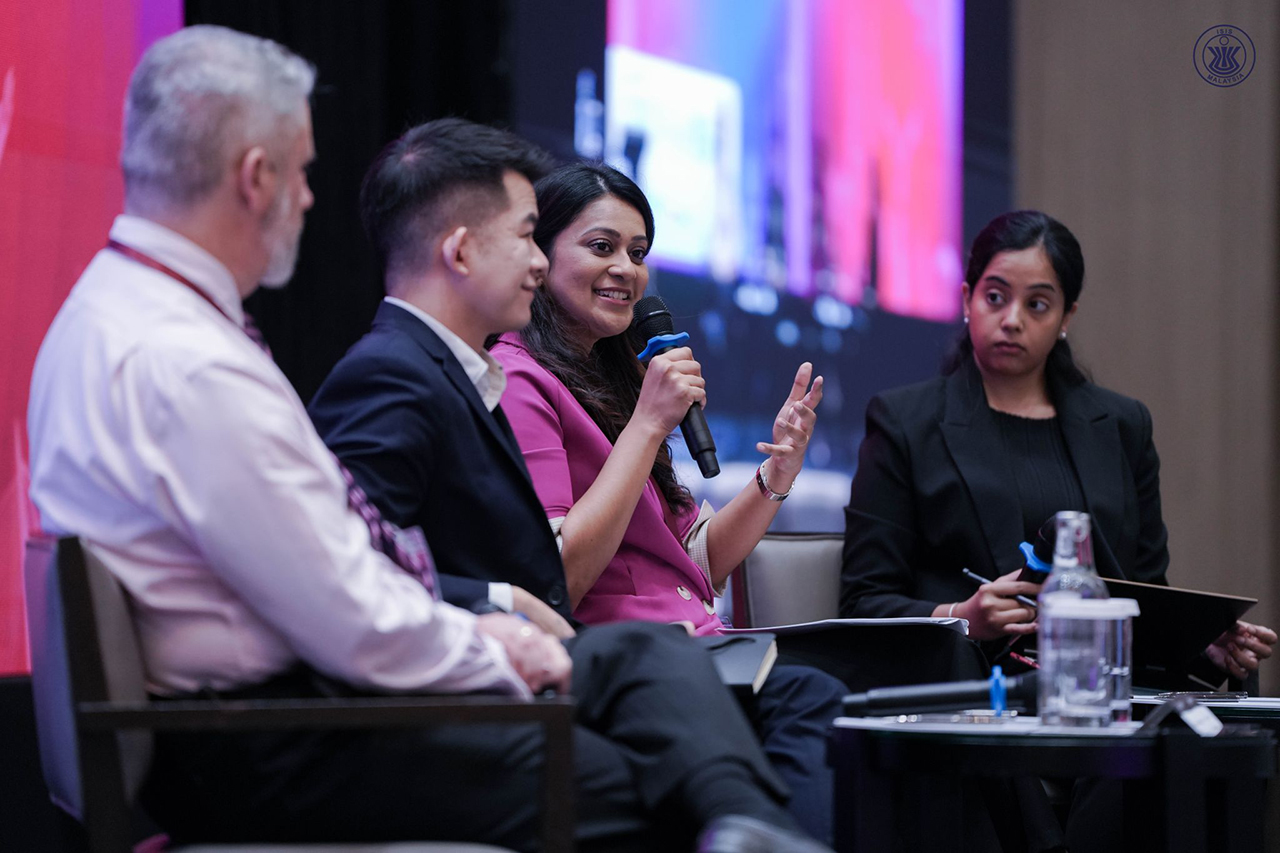
Psychology experts from Asia Pacific University of Technology & Innovation (APU) took centre stage in Malaysia's national conversation on artificial intelligence (AI), bringing the human dimension of technological advancement into focus at the “Realising an AI Nation” conference, held on 13 October 2026 at Hilton Kuala Lumpur.
Ms Vinorra Shaker, Head of APU's School of Psychology, and Professor Dr Andrew J. Campbell of the University of Sydney, who is also an Adjunct Professor at APU, were invited as panellists to examine how AI is reshaping human behaviour, cognition and social relationships.
Their participation highlighted APU's growing influence in cyberpsychology and its commitment to ensuring that Malaysia's AI ambitions are guided not only by technological innovation but also by a deeper understanding of human well-being.
Shaping an AI Nation Beyond Technology
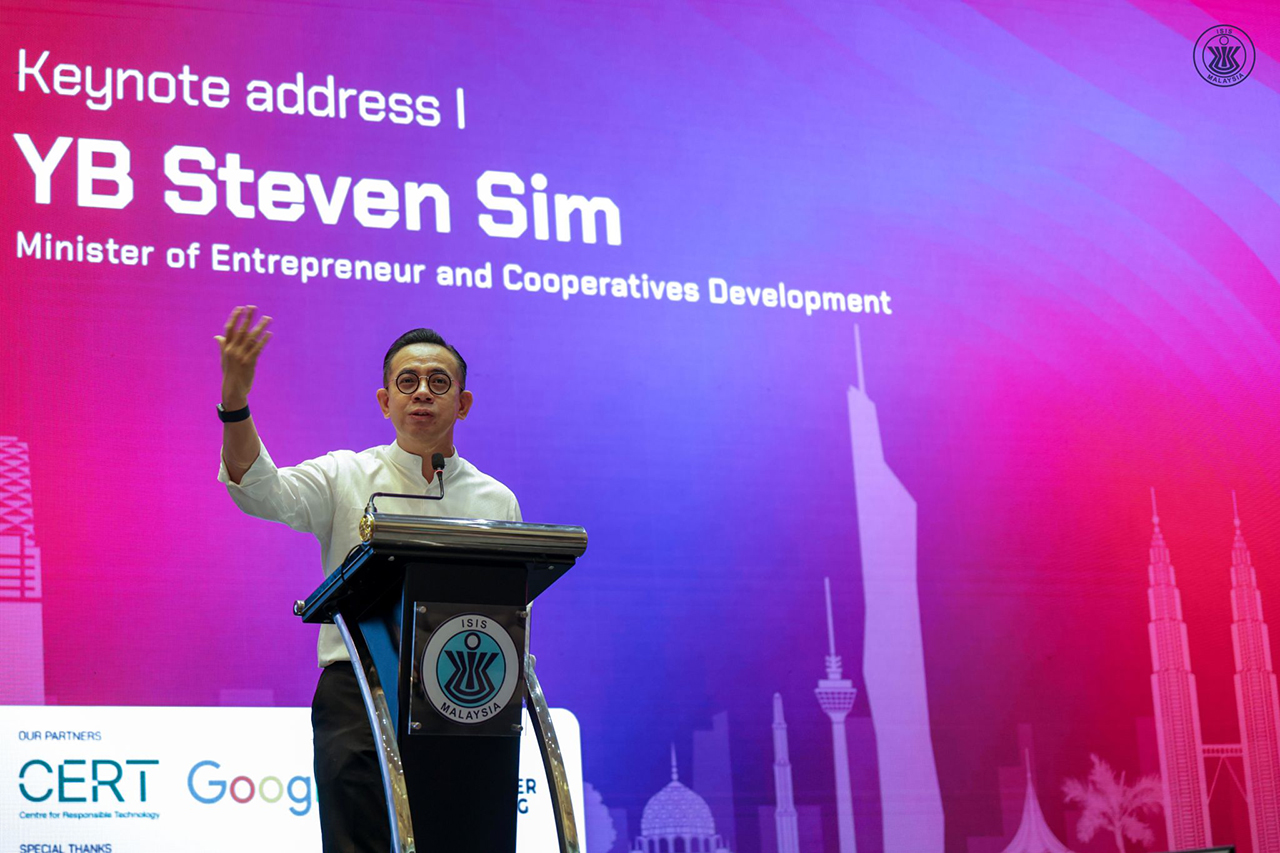
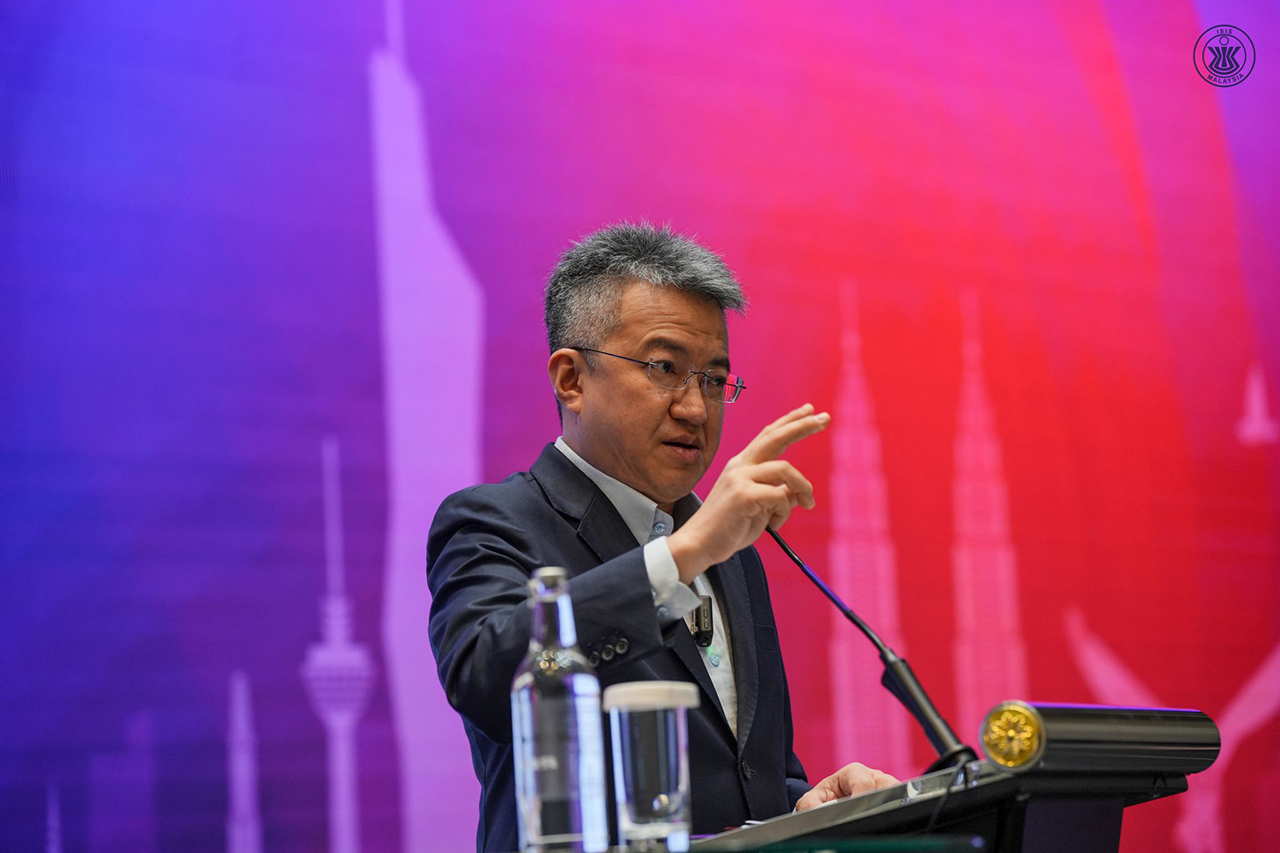
Organised by the Institute of Strategic and International Studies (ISIS) Malaysia, the conference explored what it means for Malaysia to become an AI nation beyond 2030, bringing together policymakers, industry leaders and academics to examine governance frameworks, ethical safeguards and development priorities.
The event was attended by Minister of Entrepreneur and Cooperatives Development YB Steven Sim, Deputy Minister of Finance YB Liew Chin Tong and ISIS Malaysia Executive Chairman Datuk Prof Dr Mohd Faiz Abdullah.
It was supported by partners including the Centre for Responsible Technology (CERT) Malaysia, Google, Konrad-Adenauer-Stiftung (KAS) Malaysia, Alibaba Group, Digital Nasional Berhad and Huawei.
When AI Challenges Truth and Human Thinking
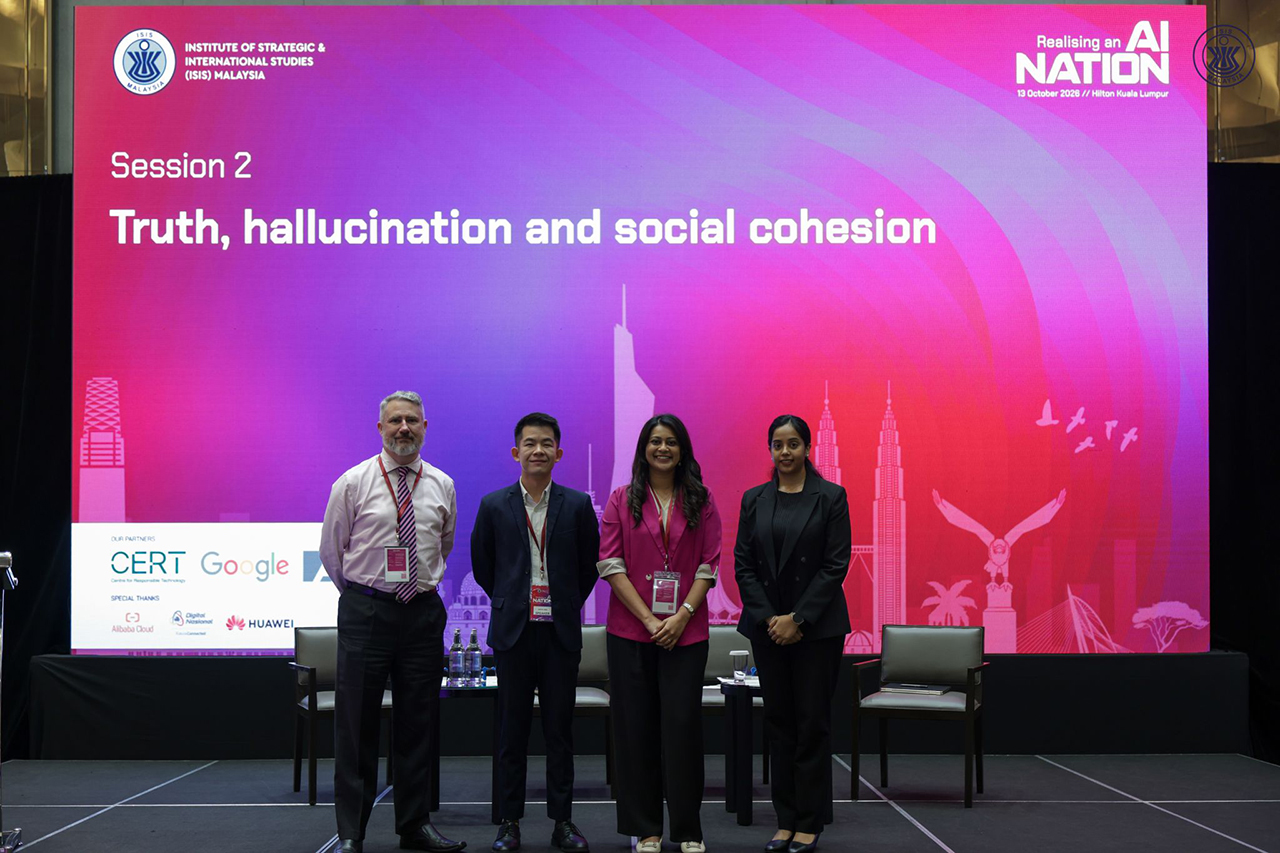
During Session Two, titled “Truth, Hallucination and Social Cohesion”, Ms Vinorra and Professor Campbell joined Mr Jason Wee, Co-Founder of Architects of Diversity Malaysia, for a thought-provoking discussion moderated by Ms Nabila Hussain, Director of Government Affairs and Public Policy at Microsoft.
The session explored AI's growing influence over how individuals access information, form judgements and establish trust, while examining how unequal access to AI technologies could affect social cohesion, belonging and socioeconomic inequalities.
Ms Vinorra raised particular concerns about AI's implications for education, highlighting potential risks to children's metacognitive abilities — their capacity to reflect on, monitor and regulate their own thinking.
As AI-generated answers become increasingly accessible, nurturing independent thought and critical evaluation remains essential to children's intellectual development.
Professor Campbell reinforced the importance of examining AI usage through a psychological lens, emphasising how sustained interactions with emerging technologies may influence individuals' behaviour and psychological development.
Together, their perspectives underscored a vital principle: responsible AI governance must consider not only what technology can accomplish, but also how it influences the people who depend on it.
Cyberpsychology: APU's Contribution to Responsible AI
These discussions closely align with APU's Master of Applied Psychology in Cyberpsychology, the first programme of its kind in Southeast Asia.
By examining the complex relationship between humans and digital technologies, the programme equips graduates to understand the psychological implications of increasingly connected environments.
As AI becomes embedded in education, workplaces and everyday decision-making, such interdisciplinary expertise is increasingly relevant to industry practices, public policy and community well-being.
APU's academic collaboration with the University of Sydney further strengthens its ability to contribute research-informed psychological perspectives to these conversations.
Advancing Malaysia's Human-Centred AI Future
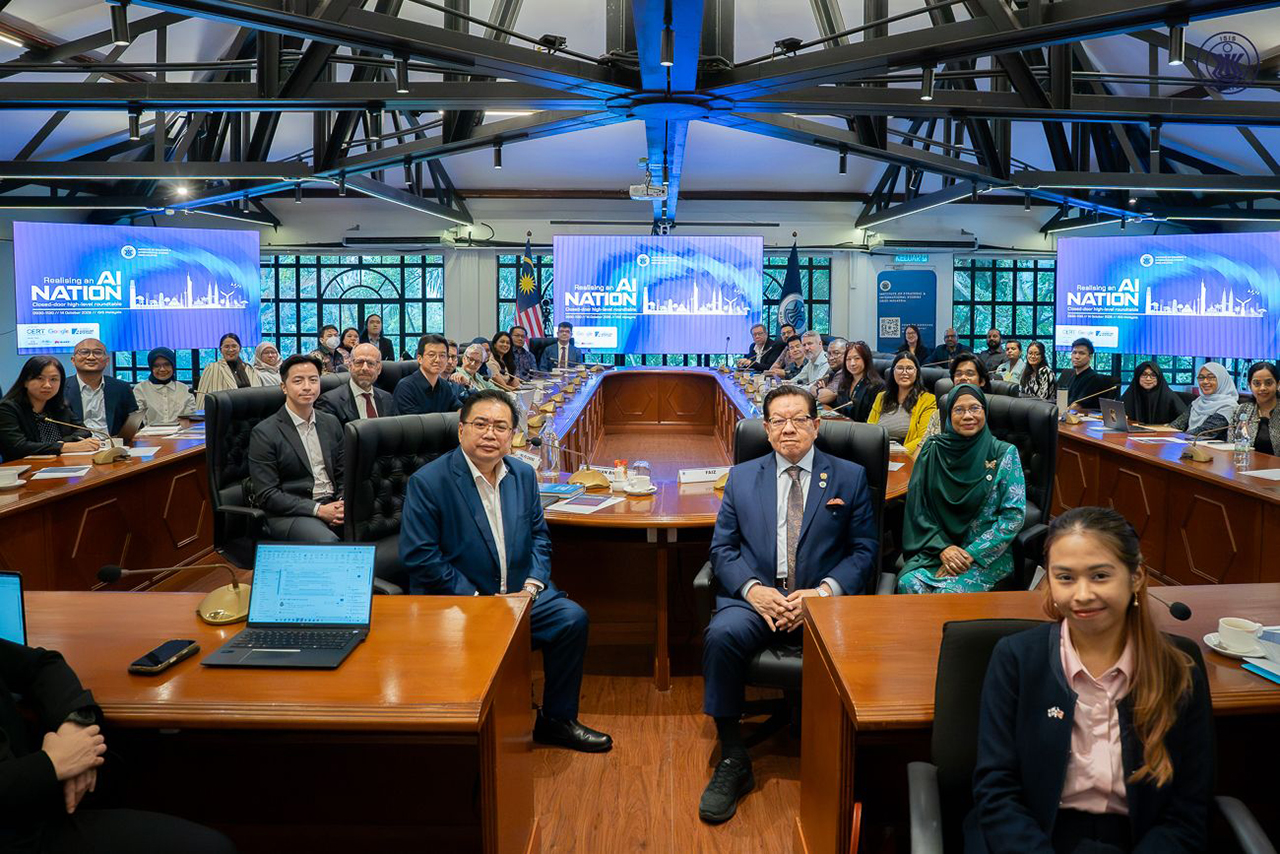
Beyond the panel sessions, the conference examined Malaysia's potential role in regional and international AI governance, drawing expertise from institutions including the Korea Artificial Intelligence Safety Institute, AI Malaysia Berhad, Khazanah Research Institute and Malaysia Centre for the Fourth Industrial Revolution (MYCentre4IR).
APU's academics also participated in a closed-door roundtable hosted by ISIS Malaysia, where key stakeholders explored opportunities for Malaysia's future leadership in AI.
Through this national engagement, APU reaffirmed its commitment to connecting psychology, technology and policymaking for meaningful societal impact.
Ultimately, realising an AI nation is not simply about building smarter machines. It is about understanding, empowering and protecting the people whose lives those machines will shape.
News & Happening
Download e-Brochures
Intake Calendar
Want to know more ?
Let’s Connect